

COACIPAR
Producer Name:
FLO-ID:
Products:
Key facts & Figures
General
| Establishment | 2012 |
|---|---|
| Fairtrade certified since | 2012 |
| Location | Paranavaí, Paraná, Brazil |
| Number of members | 70 |
| Female members | 5 |
| Ha / Member | 1518 ha in total |
| Organization | Cooperative |
| Altitude | 425 m |
Production
| Volume of production | 4’500 tons FCOJ |
|---|---|
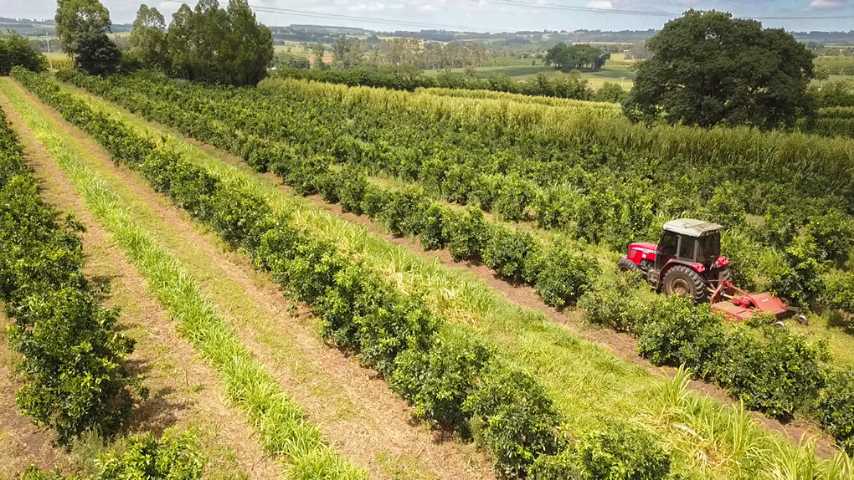
| Total area of production | 2.000 ha |
| Growing practices | Conventional |
| Harvest | June to March |
| Brix | 65,80 to 66° |
| Ratio | 11 to 22 |
| Traceability | Segregated |
| Package | Drums (FCOJ 265 kg, NFC 180 kg) |
| By products | Orange essential oil, D'limonene |
| Other certification | Kosher, FairTrade, HACCP, SGF, FDA |
| Other products | Manioc, soy, corn |
| Export period | July to April |
| Processing industry | Coacipar |
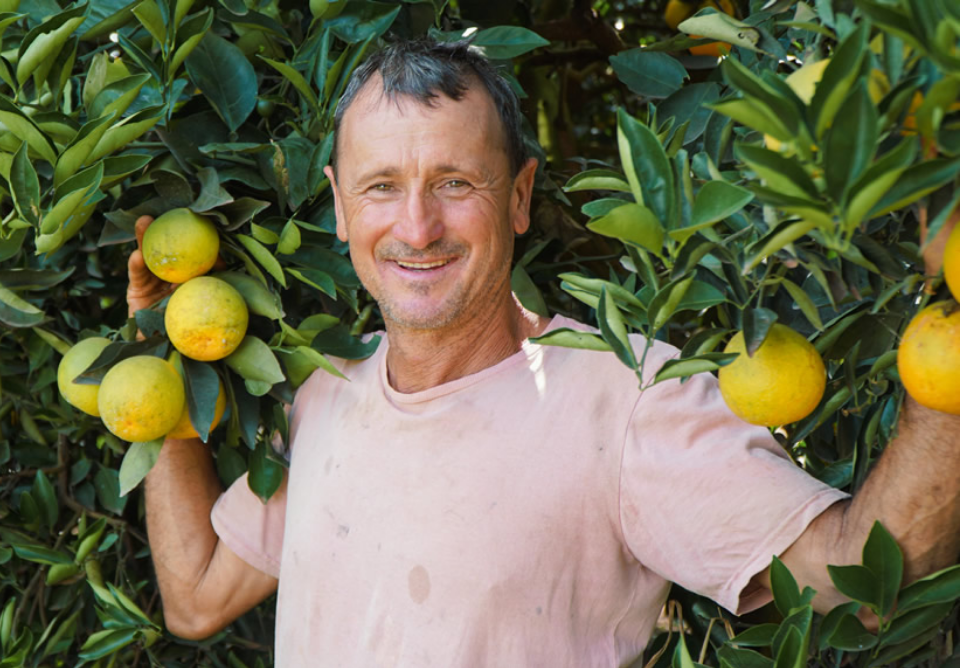
Jose Luis Povh, Director Coacipar
Our Origin
Building our future
The cooperative was created in 2012 out of a need to facilitate access for small farmers to the Fairtrade market. The farmers’ motivation was to create an organization they could trust, with transparent management, where they could own their own business and be treated with respect and add value to their product.
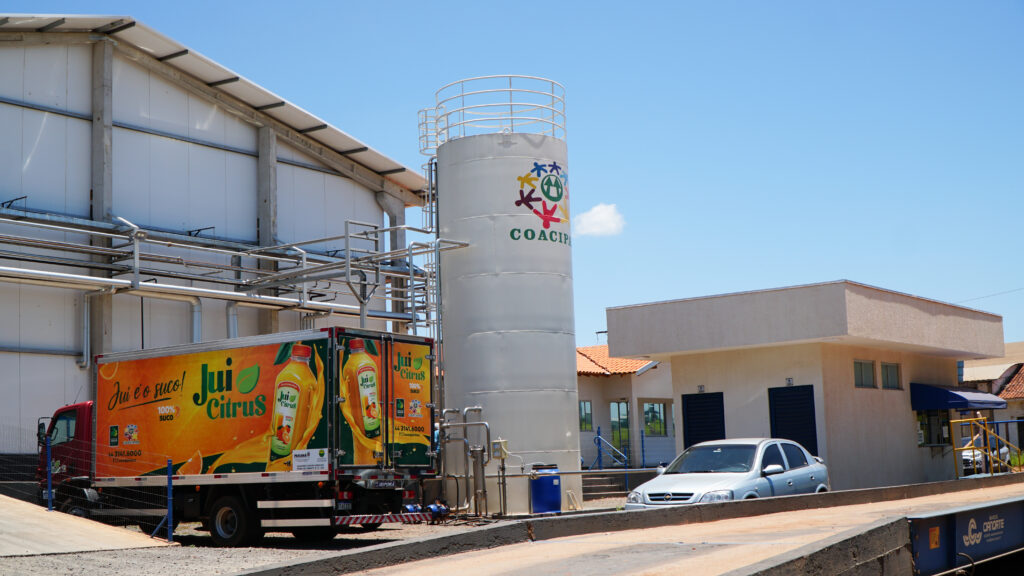
Coacipar is currently the first certified cooperative with its own factory, which began operating in October 2021 and has the capacity to process 1,500,000 (one million five hundred thousand) orange boxes. A indústria traz ao cooperado segurança na entrega da produção, além do acesso aos mercados tanto nacional como internacional, gerando mais valor agregado e maior renda às famílias produtoras.
Coacipar is also active in the development of the municipality and the region where it is based, generating income for more than 60 families through the jobs it provides and more than 500 indirect jobs.
The members of the cooperative believe that Fairtrade is the best alternative for them, the workers and the community, as they benefit from the projects and social programs developed in partnership with COACIPAR.
Fairtrade Premium
Human Rights Due Diligence
Since 2018, Coacipar has been working on various projects with a focus on Due Diligence in Human and Environmental Rights (DDDHA), seeking to improve working conditions and social compliance mechanisms on the properties of its cooperative members, mainly focused on prevention. Awareness-raising activities are held periodically on important human rights issues in the orange production chain, such as Child Labor, Work Similar to Slavery, Gender Violence, Harassment and Discrimination.
The cooperative continuously carries out processes to identify and analyze risks, build and review risk-based action plans, implement policies and procedures on the most relevant human rights issues, as well as periodically applying rigorous monitoring of human rights risks during inspection visits.
Each year, Coacipar reaffirms its firm commitment to the HRHR and its aim to remain a leader in the implementation of the HRHRD in its sector and region, thus seeking to increasingly improve the social and environmental sustainability of its production processes.
Domestic Market
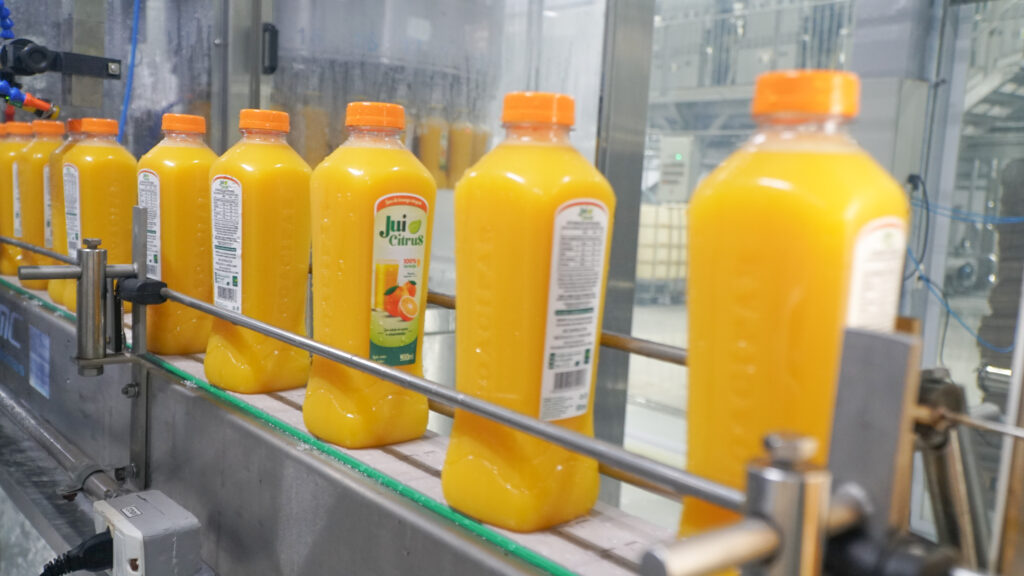
Coacipar also invests in the marketing of “Juicitrus” whole orange juice on the domestic market, a trademark registered under the company’s name, and supplies FCOJ Juice Concentrate to various companies in the region. By-products such as orange essential oil and D’limonene oil are also sold to various companies in Brazil, products with a high level of quality due to the specific characteristics of the region’s oranges, which are a benchmark in the country and abroad. Orange pomace is also sold as cattle feed to producers in the region.
We Provide Only Quality Products
Contact
Ederson Aparecido Colussi
Address
AV. MILITÃO RODRIGUES DE CARVALHO, 2150, PARANAVAI-PR, BRAZIL